

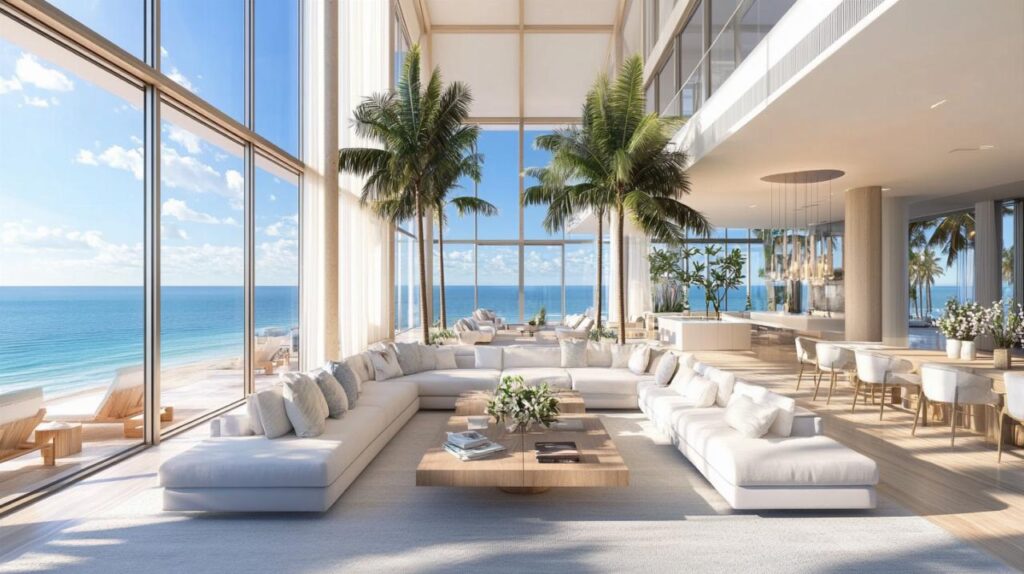
Transforming your home into a space that evokes the serenity and elegance of a luxury seaside escape doesn't require you to live within reach of crashing waves. With thoughtful interior design choices, carefully selected natural materials, and a focus on light and comfort, you can create an environment that feels like a permanent holiday. The principles of coastal living are all about bringing the outdoors in, embracing soft tones, and designing spaces that encourage relaxation and connection with nature. Whether you're reimagining a city terrace or a country residence, the following ideas will help you capture that coveted beachfront ambience right at home.
Creating a Coastal Colour Palette for Tranquillity
One of the most effective ways to evoke the feeling of a seaside retreat is through a carefully chosen colour palette. The hues you select will set the tone for the entire home, creating a sense of calm and openness that mirrors the natural environment of the coast. A successful coastal scheme relies on light, airy shades that reflect the sea, sky, and sand, ensuring that every room feels restful and inviting.
Choosing the Perfect Shades of Blue and White
Blue and white are the cornerstones of any coastal colour palette. These shades work together to evoke the endless horizon where ocean meets sky, bringing a sense of tranquillity and space into your home. Pale blues, from soft powder tones to gentle aqua, can be used on walls, soft furnishings, and accessories to create a soothing backdrop. White, whether warm ivory or crisp chalk, amplifies natural light and provides a clean, fresh canvas that allows other elements to shine. Consider painting larger surfaces in white to maximise brightness, while introducing blue through textiles, artwork, and decorative touches. This combination not only brightens a room but also creates a sense of continuity and flow, much like the uninterrupted expanse of the sea. When choosing your blues, think about the quality of light in each room. North-facing spaces may benefit from warmer, slightly greyed blues, while south-facing rooms can handle cooler, more vibrant tones. The key is to maintain a sense of harmony and balance, ensuring that no single shade overwhelms the space.
Incorporating sandy neutrals throughout your space
To complement the blues and whites, sandy neutrals are essential for grounding your coastal palette. Beiges, taupes, and soft stone shades bring warmth and texture, preventing the space from feeling too stark or clinical. These earthy tones mimic the natural colours of driftwood, shells, and sun-bleached sand, adding depth and richness to your interior. Use them in larger pieces of furniture, such as sofas and dining chairs, as well as in flooring and window treatments. Natural linen fabrics in these shades are particularly effective, as they introduce a tactile quality that enhances the overall sense of comfort. Layering different neutrals creates visual interest without disrupting the calm atmosphere, and these colours provide a versatile foundation that allows you to introduce bolder accents if desired. By blending sandy neutrals with your blues and whites, you create a cohesive, sophisticated palette that feels both timeless and effortlessly elegant.
Embracing natural materials and textures
Natural materials are at the heart of coastal interior design, bringing an organic, grounded quality to your home. These elements connect your living space to the natural world, evoking the textures and forms found along the shoreline. By incorporating materials such as jute, rattan, wicker, and driftwood, you can create a layered, tactile environment that feels both luxurious and relaxed.
Working with Jute, Rattan, and Wicker Elements
Jute, rattan, and wicker are quintessential coastal materials that add warmth and texture to any room. Jute rugs are an excellent choice for living areas and bedrooms, providing a natural, hard-wearing surface that complements the light colour palette. Their woven texture adds visual interest underfoot and helps to define different zones within an open-plan space. Rattan and wicker, meanwhile, are ideal for furniture and accessories. Consider rattan chairs, wicker baskets for storage, or a statement rattan headboard in the bedroom. These materials have a timeless appeal and work beautifully in both contemporary and classic interiors. They also pair effortlessly with other natural elements, creating a cohesive, layered look. When selecting pieces, opt for high-quality craftsmanship to ensure longevity and a refined finish. The beauty of these materials lies in their imperfections and organic variations, which add character and authenticity to your home. By incorporating jute, rattan, and wicker throughout your space, you create a sense of continuity and connection to the natural world, essential for achieving that luxury beachfront villa in Marbella aesthetic.
Adding Driftwood and Organic Touches to Your Décor
Driftwood is perhaps the most evocative of all coastal materials, instantly transporting you to the shoreline with its weathered, sculptural forms. Use driftwood in creative ways throughout your home, whether as a statement piece in an entrance hall, a base for a lamp, or as part of a curated display on a console table. Its silvered tones and natural grain add a sense of history and artistry, making each piece unique. Beyond driftwood, consider other organic touches such as shells, coral, and pebbles. These can be displayed in glass jars, arranged on shelves, or incorporated into artwork. The key is to avoid clutter and instead create thoughtful vignettes that celebrate the beauty of natural forms. Plants also play an important role in bringing the outdoors in. Palms, ferns, and other greenery thrive in coastal-inspired interiors, adding life and freshness to your space. Their lush foliage contrasts beautifully with the light colour palette and natural textures, enhancing the overall sense of vitality and connection to nature.
Maximising Light for a Bright and Airy Ambience
Light is one of the most important elements in creating a luxury beachfront retreat. A bright, airy ambience not only makes spaces feel larger and more inviting but also enhances the calming effect of your coastal colour palette. By maximising natural light and carefully selecting artificial lighting, you can ensure that your home feels open and welcoming at all times of day.
Enhancing natural light with window treatments
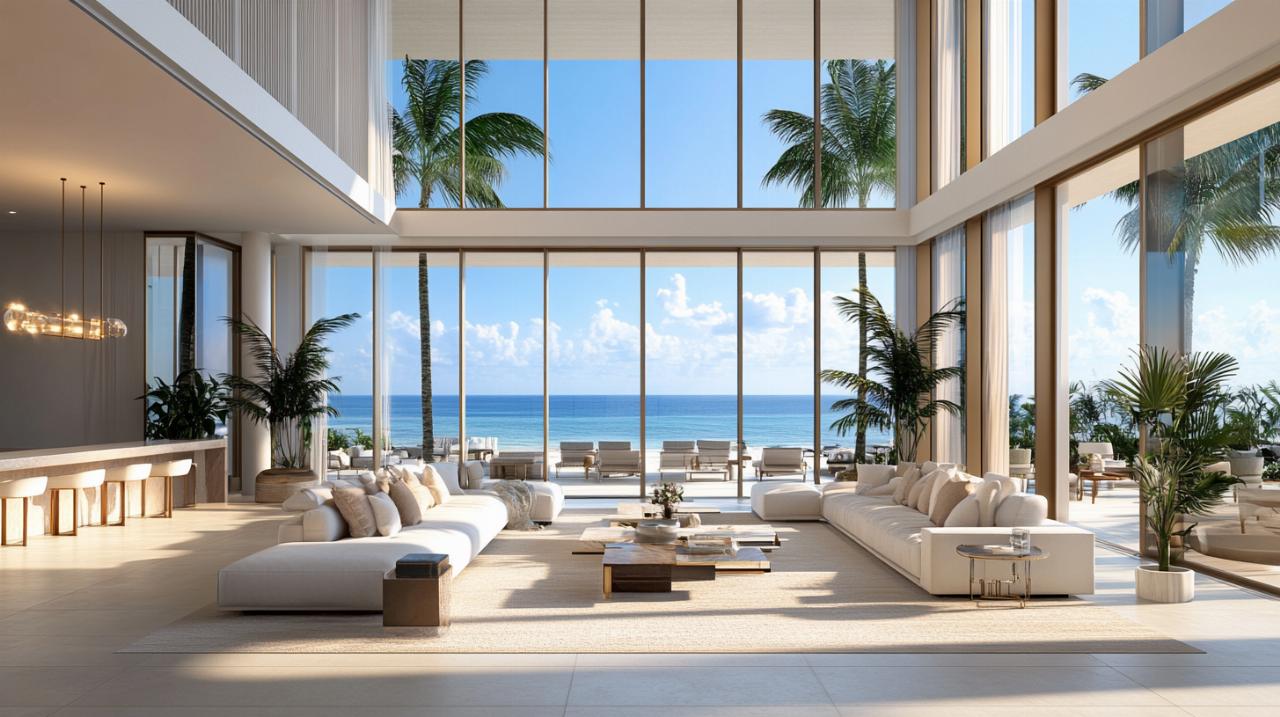
To make the most of natural light, window treatments should be chosen with care. Opt for lightweight fabrics such as linen or cotton in soft white or neutral tones, which filter sunlight gently without blocking it entirely. Sheer curtains or Roman blinds are excellent choices, as they can be easily adjusted to control privacy and light levels while maintaining a sense of openness. Avoid heavy drapes or dark colours, which can make a room feel enclosed and gloomy. If privacy is a concern, consider layering sheer panels with a more substantial blind or shutter that can be closed when needed. The goal is to create a sense of fluidity between indoors and outdoors, allowing natural light to flood your home and enhance the coastal atmosphere. Large windows or sliding doors are ideal for maximising light, and if your home allows, consider adding them to key living areas. This not only brightens the space but also provides views of the surrounding landscape, further connecting your interior to the natural world.
Selecting warm lighting fixtures for evening comfort
While natural light is essential during the day, the right artificial lighting ensures that your home remains warm and inviting in the evening. Choose fixtures made from natural materials such as rattan, woven cane, or driftwood, which echo the coastal theme and provide a soft, diffused glow. Pendant lights above dining tables or kitchen islands are both functional and decorative, while table lamps and floor lamps add warmth and intimacy to living areas and bedrooms. Opt for bulbs with a warm tone rather than harsh white light, as this creates a more relaxed and cosy atmosphere. Dimmer switches are also a valuable addition, allowing you to adjust the lighting to suit different moods and activities. Statement lighting, such as a chandelier crafted from natural materials, can serve as a focal point in an entrance hall or dining room, adding a touch of luxury and personality. By layering different light sources throughout your home, you create depth and dimension, ensuring that every corner feels considered and inviting.
Curating coastal accessories and decorative touches
Accessories and decorative touches are the finishing elements that bring your coastal retreat to life. These carefully chosen details add personality and character, transforming a well-designed space into a true reflection of your style and the seaside aesthetic you wish to capture.
Displaying shells, coral, and seaside treasures
Shells, coral, and other seaside treasures are natural decorative elements that instantly evoke the coast. Collect these items during your own beach walks or source them from local artisans to ensure authenticity and uniqueness. Display them in glass bowls, on custom shelving, or as part of a curated arrangement on a console table. The key is to keep displays simple and uncluttered, allowing each piece to be appreciated individually. Consider varying the scale and colour of your finds to create visual interest, and don't be afraid to mix shells with other natural elements such as driftwood or dried grasses. These organic touches add texture and depth, reinforcing the connection to the natural world. If you're upcycling old items, shells and coral can also be incorporated into mirrors, lampshades, or picture frames, adding a bespoke, handcrafted quality to your interior. By celebrating these natural forms, you create a sense of place and authenticity that is at the heart of coastal living.
Choosing Artwork that Evokes the Ocean
Artwork is a powerful tool for setting the mood and reinforcing your coastal theme. Choose pieces that evoke the ocean, whether through colour, subject matter, or texture. Abstract paintings in shades of blue and white can suggest the movement of waves, while photographs of seascapes or coastal landscapes bring a sense of calm and escape. For a more contemporary approach, consider mixed media works that incorporate natural materials or three-dimensional elements. Displaying artwork at varying heights and scales adds dynamism and interest to your walls, creating a gallery-like feel. Don't limit yourself to traditional frames; consider floating frames, canvas prints, or even textile wall hangings for a more relaxed, bohemian touch. Supporting local artists is also a wonderful way to add unique, meaningful pieces to your home, and you may find that regional work resonates more deeply with your personal connection to the coast. Artwork should be chosen with intention, reflecting your tastes and enhancing the overall aesthetic of your space. By selecting pieces that evoke the ocean, you reinforce the serene, luxurious atmosphere of your beachfront retreat.
Designing a relaxation-focused living space
At the heart of any luxury coastal retreat is the living space, a room designed for relaxation, comfort, and connection. This is where you unwind, entertain guests, and enjoy the tranquil ambience you've created. By focusing on comfortable furniture and soft textiles, you can design a living area that feels like a personal sanctuary.
Selecting comfortable furniture for ultimate lounging
Comfort is paramount in a relaxation-focused living space. Choose furniture that invites you to sit back and stay awhile, from deep sofas with generous cushions to armchairs with supportive backrests. Quality is key; well-made pieces not only look better but also provide superior comfort and longevity. Consider bespoke furniture if your space has specific requirements, as custom-designed pieces can be tailored to fit perfectly and meet your exact needs. Look for natural materials and neutral upholstery in linen or cotton, which feel soft to the touch and complement your coastal palette. Coffee tables and occasional tables should be both functional and stylish, providing surfaces for drinks, books, and decorative displays. Consider pieces with natural wood finishes or stone tops, which add a sense of solidity and organic beauty. Arrange your furniture to encourage conversation and connection, creating intimate seating areas that feel inviting and social. If space allows, include a reading corner with a comfortable chair, a side table, and a lamp, providing a quiet retreat within the larger room.
Layering Soft Textiles for a Cosy Retreat Atmosphere
Soft textiles are essential for creating a cosy, inviting atmosphere. Layer cushions, throws, and rugs to add warmth and texture, making your living space feel like a true retreat. Choose fabrics such as linen, cotton, and even Egyptian cotton for a touch of luxury. These natural materials breathe well and feel wonderful against the skin, enhancing the overall sense of comfort. Vary the textures and tones of your textiles to create depth and interest, mixing smooth linens with chunky knits or woven throws. This layering technique adds visual richness without overwhelming the space, and it allows you to introduce subtle colour accents if desired. Curtains and blinds should also be considered as part of your textile scheme, providing softness at the windows and contributing to the overall aesthetic. By carefully selecting and layering soft furnishings, you create a space that feels welcoming and restful, perfect for lounging and unwinding. This attention to comfort and detail is what transforms a well-designed room into a true luxury retreat.