

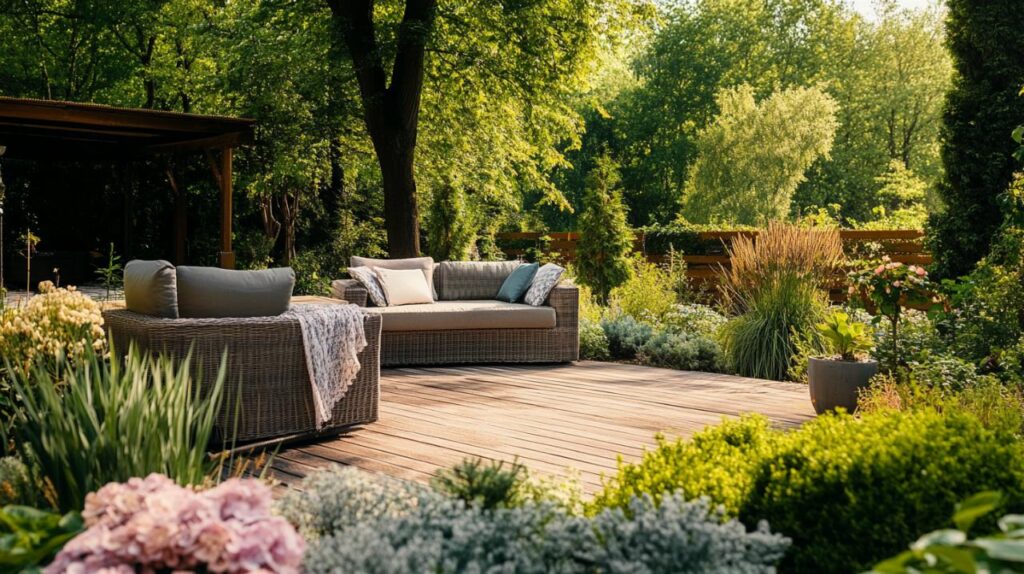
Keeping your garden furniture looking smart and lasting for years requires more than just a quick wipe now and then. The British weather, with its unpredictable mix of rain, occasional sunshine, and chilly spells, can take a real toll on outdoor pieces if you don't give them a bit of care. Whether you've invested in a lovely hardwood bench or a modern metal set, understanding how to protect your outdoor furniture from the elements will save you money and keep your garden looking inviting all year round.
Regular maintenance and cleaning essentials
Why routine cleaning prevents long-term damage
Getting into the habit of cleaning your outdoor furniture regularly is one of the simplest yet most effective ways to prevent long-term damage. Dirt, pollen, bird droppings, and general grime don't just make your furniture look tatty; they can actually trap moisture against the surface, leading to rot in wood or rust in metal. When you leave muck to build up, it creates a barrier that holds water in place, accelerating wear and tear. A good clean at the end of summer, as recommended by gardening experts, helps clear away these deposits before they cause serious harm. Even plastic furniture, which many assume is virtually indestructible, benefits from a wash with soapy water to maintain its appearance and prevent brittleness over time. Making this a seasonal ritual means you catch small issues early, whether that's a bit of surface rust on a metal chair leg or a stain on a wooden tabletop, before they become costly repairs.
Best cleaning methods for different garden furniture materials
Each type of garden furniture material demands its own approach to cleaning and maintenance. For hardwood pieces, such as teak or oak, a yearly wash with warm soapy water is usually sufficient. Teak, in particular, can be left to weather naturally to a silvery grey, or you can treat it with teak oil to help maintain its original honey colour and provide some protection against water and UV rays. Softwood furniture, being more porous, requires a bit more attention. After cleaning, apply a wood stain or a coat of paint annually to seal the surface and guard against moisture. Metal furniture should be cleaned thoroughly and inspected for any signs of rust. If you spot any, treat it promptly with a rust remover or converter, then repaint every couple of years to keep the protective coating intact. Don't forget to oil the joints to keep them moving smoothly. Plastic furniture might seem low-maintenance, but regular cleaning with soapy water and storing it away during winter will prevent it from becoming brittle and cracking. For those who want to delve deeper into garden care and furniture upkeep, visit our blog for more information on seasonal tips and product reviews.
Protective covers and storage solutions

Choosing the Right Weatherproof Covers for Your Outdoor Furniture
Investing in quality weatherproof covers is like giving your outdoor furniture a wee raincoat, shielding it from the worst of what the British climate can throw at it. When selecting covers, look for materials that are both waterproof and breathable to prevent condensation build-up, which can lead to mould and mildew. A well-fitted cover will protect against rain, UV rays, and airborne dirt, extending the life of your furniture considerably. However, covers alone don't solve every problem. They won't protect against rising moisture from damp ground, so it's wise to raise your furniture slightly off the surface using feet or blocks to allow air circulation underneath. This small step can prevent water pooling and reduce the risk of wood decay or rust. While a furniture cover is a simple and effective barrier, it works best as part of a broader maintenance routine that includes regular cleaning and occasional treatments. Remember, no cover will fit perfectly forever, so check periodically that it's still doing its job and hasn't been blown about by strong winds.
Indoor storage options during harsh weather conditions
When winter rolls around or during particularly harsh weather conditions, storing your outdoor furniture indoors or under cover is one of the most effective ways to keep it in tip-top condition. Freezing temperatures and repeated cycles of freezing and thawing can cause wood to crack and metal to corrode, so giving your furniture a winter holiday away from the elements makes a real difference. If you have the space, a shed, garage, or conservatory is ideal. For those without indoor storage, consider investing in a weatherproof storage box for cushions and soft furnishings, which are particularly vulnerable to water damage and mould. Even moving furniture under a pergola or a covered patio can offer some respite from the worst of the rain and snow. Hardwood pieces are generally more resilient and can often be left outside with a good cover, but softwood and metal furniture will benefit greatly from being tucked away. By making storage part of your seasonal routine, you'll ensure that when spring arrives, your garden furniture is ready to go without needing extensive repairs or replacements.