

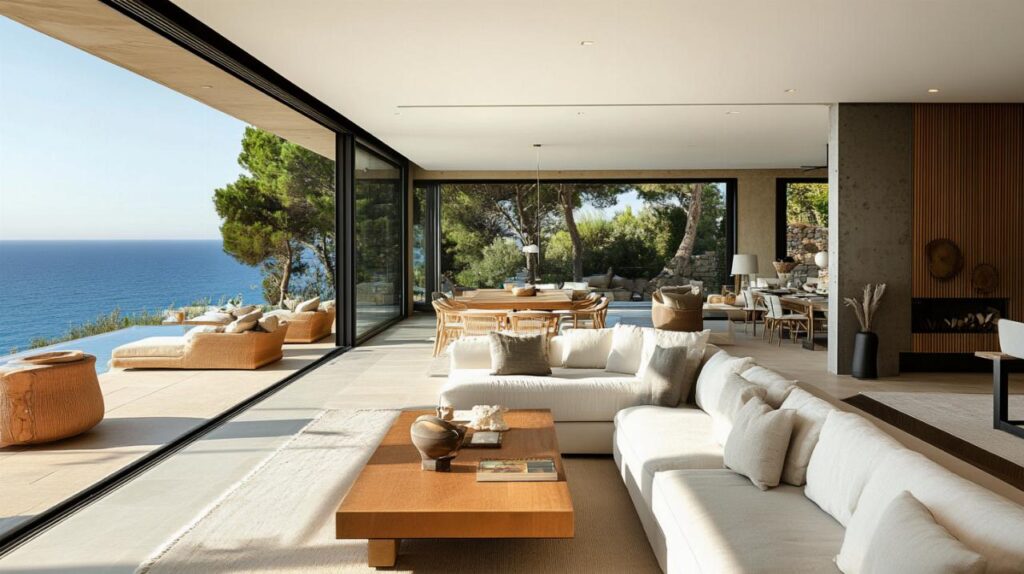
The Costa Brava has long captivated discerning travellers with its rugged coastline, crystalline waters, and a cultural richness that seamlessly blends Catalan tradition with contemporary sophistication. As the demand for high-end holiday lets continues to rise, property owners and designers are reimagining interiors to reflect both the region's natural beauty and the evolving expectations of a global clientele. The result is a striking fusion of Mediterranean charm and cutting-edge design, where every detail is curated to elevate the guest experience and showcase the unique character of this storied corner of Catalunya.
Mediterranean elegance meets contemporary luxury
At the heart of interior design for luxury vacation rentals in costa brava lies a profound respect for the landscape and architectural heritage. The region's vernacular architecture, characterised by terracotta roofs, stone walls, and an emphasis on outdoor living, provides a timeless foundation that designers are now reinterpreting with modern sensibilities. This approach is evident in projects such as the award-winning estate designed by GCA Architects, where traditional Arabic tiles and locally-sourced materials are paired with contemporary furniture from Flexform to create a dialogue between past and present. The design philosophy echoes the work of Luis Barragán, whose mastery of light, colour, and form continues to influence architects working in sun-drenched climates. By situating structures on elevated terrain to maximise views and integrating sliding glass walls that dissolve the boundary between interior and exterior, designers are crafting spaces that feel both grounded in place and open to the horizon.
Coastal colour palettes and natural materials
The colour schemes favoured in these high-end holiday homes draw directly from the surrounding environment. Soft blues and greens mirror the Mediterranean Sea, while warm ochres, terracottas, and sandy neutrals reflect the rocky cliffs and sunbaked earth. This palette is often enriched by the introduction of bold, saturated hues through a technique known as colour drenching, where a single vibrant shade envelops walls, ceilings, and even furnishings to create an immersive, cocoon-like atmosphere. Such an approach not only adds drama but also allows the architecture to recede, placing greater emphasis on the interplay of light and shadow throughout the day. Natural materials are equally central to the aesthetic. Reclaimed wood, organic textiles, and handcrafted ceramics introduce tactile richness and a sense of authenticity that resonates with guests seeking an escape from the polished homogeneity of urban life. The use of decorative plaster and wood panelling on walls adds depth and texture, transforming surfaces into canvases that respond to the shifting quality of coastal light.
Open-plan living spaces with panoramic views
The configuration of interiors in these luxury estates prioritises fluidity and connection. Open-plan living areas, often spanning a single level, are designed to facilitate both social gathering and solitary contemplation. The integration of indoor and outdoor living is achieved through expansive sliding glass walls that open onto terraces, courtyards, and private gardens, blurring the threshold between built and natural environments. This seamless transition is a hallmark of biophilic design, which seeks to foster a tangible connection between occupants and the landscape. Outdoor lounges are thoughtfully positioned to provide shaded areas where guests can retreat from the midday sun, while bedrooms are equipped with private gardens and sitting rooms that offer secluded havens within the larger estate. The architectural massing often comprises multiple structures connected by half levels and staircases, creating a dynamic spatial experience that unfolds as one moves through the property. A large, unifying roof of Arabic tiles ties these elements together, reinforcing a sense of cohesion while celebrating regional craftsmanship.
Bespoke amenities and personalised comfort
As the market for luxury holiday homes in Barcelona and the wider Costa Brava region matures, the emphasis has shifted from mere opulence to a more nuanced understanding of comfort and personalisation. Today's guests expect not only beautiful spaces but also amenities that anticipate their needs and reflect their individual tastes. This demand has driven a wave of innovation in both furnishings and technology, with designers collaborating closely with artisans and technologists to deliver bespoke solutions that elevate the everyday into the extraordinary.
Statement furnishings and artisanal details
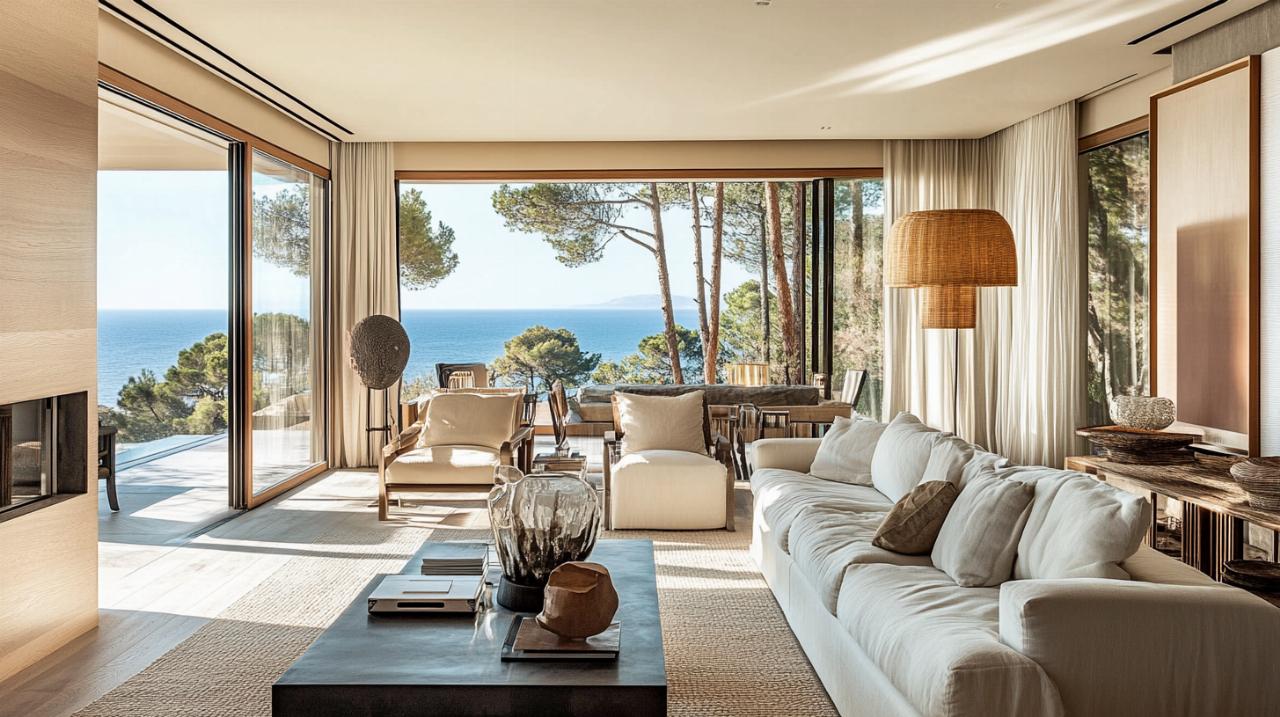
The furniture selected for these properties is far from generic. Curved sofas and tables, part of a broader trend towards organic, sculptural forms, introduce a softness that contrasts beautifully with the linear rigour of contemporary architecture. These pieces are often upholstered in sumptuous fabrics that invite touch, their rounded profiles encouraging relaxation and conversation. Mixed metals, including brass, copper, and nickel finishes, appear throughout the interiors, adding warmth and a sense of layered sophistication. Such finishes are particularly effective when used in lighting fixtures, cabinet hardware, and decorative accessories, where they catch and reflect the abundant natural light. Artisanal accents, from handwoven rugs to custom ceramics, infuse each space with a sense of place and narrative. These handcrafted pieces, often sourced from local makers or commissioned specifically for a project, serve as focal points that anchor rooms and provide a counterbalance to the sleek lines of modern furnishings. Vintage-inspired furniture also makes an appearance, bridging the gap between tradition and modernity and adding a layer of historical depth that appeals to guests with a taste for the eclectic.
Smart home integration for sophisticated guests
While aesthetics remain paramount, the integration of smart home technology has become a defining feature of luxury vacation rentals in Costa Brava. Sophisticated guests expect to control lighting, climate, entertainment, and security systems with ease, often through intuitive interfaces accessible via smartphone or tablet. This technology is seamlessly embedded within the design, ensuring that it enhances rather than detracts from the overall aesthetic. Automated blinds and curtains allow occupants to modulate natural light and privacy at the touch of a button, while advanced climate control systems ensure optimal comfort regardless of the season. High-fidelity audio systems, discreetly installed throughout living areas and outdoor terraces, provide a soundtrack for both lively gatherings and quiet evenings. Security features, including smart locks and integrated surveillance, offer peace of mind without compromising the sense of seclusion and tranquillity that defines these retreats. The result is a living environment that feels effortlessly responsive, where technology serves as an invisible butler, anticipating needs and adapting to preferences in real time.
The evolution of interior design for luxury holiday homes in this region reflects broader shifts in how we conceive of comfort, sustainability, and connection to place. Designers working on projects in Catalunya are increasingly attentive to the provenance of materials, favouring those that are locally sourced and sustainably produced. This commitment extends to the selection of organic textiles, reclaimed wood, and finishes that minimise environmental impact while maximising aesthetic appeal. The concept of warm minimalism, which combines clean lines with earthy tones and natural textures, has emerged as a guiding principle, offering a middle path between the starkness of high modernism and the clutter of maximalist excess. By paring back to essentials and allowing each element to breathe, designers create spaces that feel both serene and richly layered, where the architecture itself becomes a form of hospitality.
Notable examples of this approach can be found in the curated collection of Viu Empordà, where properties such as Casa Riera, Casa Ju's, and Casa Brava showcase the work of architects, designers, and artists who have transformed holiday homes into expressions of personal vision and regional identity. These houses are distinguished not only by their architectural merit but also by their attention to detail, from the careful selection of tiles to the curation of colour palettes that resonate with the surrounding landscape. The influence of these projects extends beyond their immediate locales, inspiring designers across the Costa del Sol and beyond to rethink the possibilities of holiday home design. The integration of outdoor living spaces, for instance, has become a signature feature, with terraces, pergolas, and gardens conceived as extensions of the interior rather than afterthoughts. This holistic approach ensures that guests experience the property as a unified whole, where every space, whether inside or out, contributes to a sense of place and well-being.
The role of interior design firms such as Base Interior, which has completed award-winning projects in the region, underscores the importance of collaboration and cultural sensitivity. Their work on a luxury personal estate in Catalunya involved not only the full concept design and selection of finishes and furniture, fixtures, and equipment, but also the coordination with local architects and consultants to ensure that the project respected regional building practices and aesthetic traditions. The appointment of a Catalan-speaking architect facilitated communication and helped bridge cultural differences, demonstrating that successful design in this context requires more than technical expertise; it demands a deep engagement with the community and the landscape. This collaborative spirit is evident in the final product, where the renovation of an old farmhouse and the construction of a new home spanning fifteen thousand square feet coexist harmoniously, each phase informed by a commitment to quality and authenticity.
As we look towards the coming years, the trends shaping interior design for luxury vacation rentals in Costa Brava are likely to continue evolving in response to changing guest expectations and environmental imperatives. The emphasis on sustainability, already a defining feature of many projects, will deepen as designers explore innovative materials and construction techniques that reduce carbon footprints and enhance energy efficiency. The use of biophilic design principles will expand, with greater integration of greenery, water features, and natural light to create environments that promote health and well-being. At the same time, the desire for personalisation and bespoke amenities will drive further experimentation with artisanal accents, custom furnishings, and smart technologies that adapt to individual preferences. The result will be a new generation of holiday homes that are not only beautiful and comfortable but also responsive to the needs of both guests and the planet, embodying a vision of luxury that is as thoughtful as it is indulgent.