


Accident prevention has become one of the defining challenges of modern public life. Whether on busy urban roads, in industrial warehouses, or at pedestrian crossings, the physical and psychological presence of safety barriers plays an increasingly significant role in how societies manage risk. Far from being mere structural additions, these measures are quietly reshaping the way people think about danger, and what they expect from the environments around them.
Key takeaways
- Safety barriers go beyond physical protection by shaping public awareness and influencing human behavior towards increased caution.
- Effective hazard prevention in mixed-traffic areas requires a layered approach, combining physical barriers like guardrails with clear signage and visual cues.
- Visible safety infrastructure acts as a constant, silent reminder that encourages people to slow down and remain attentive to their surroundings.
- Reducing global traffic fatalities requires integrating physical safety measures with comprehensive public education and awareness campaigns.
- Research indicates that overcoming safety challenges is a multi-faceted task involving cultural norms, individual behavior, and infrastructure accessibility.
- Modern urban planning is shifting toward flexible and modular barrier systems that can adapt to changing traffic flows and industrial requirements.
- Investment in safety infrastructure is becoming a foundational element of public policy, reflecting a societal commitment to embedding safety into everyday environments.
The Role of Safety Barriers in Reducing Everyday Hazards
How physical barriers create safer environments in public spaces
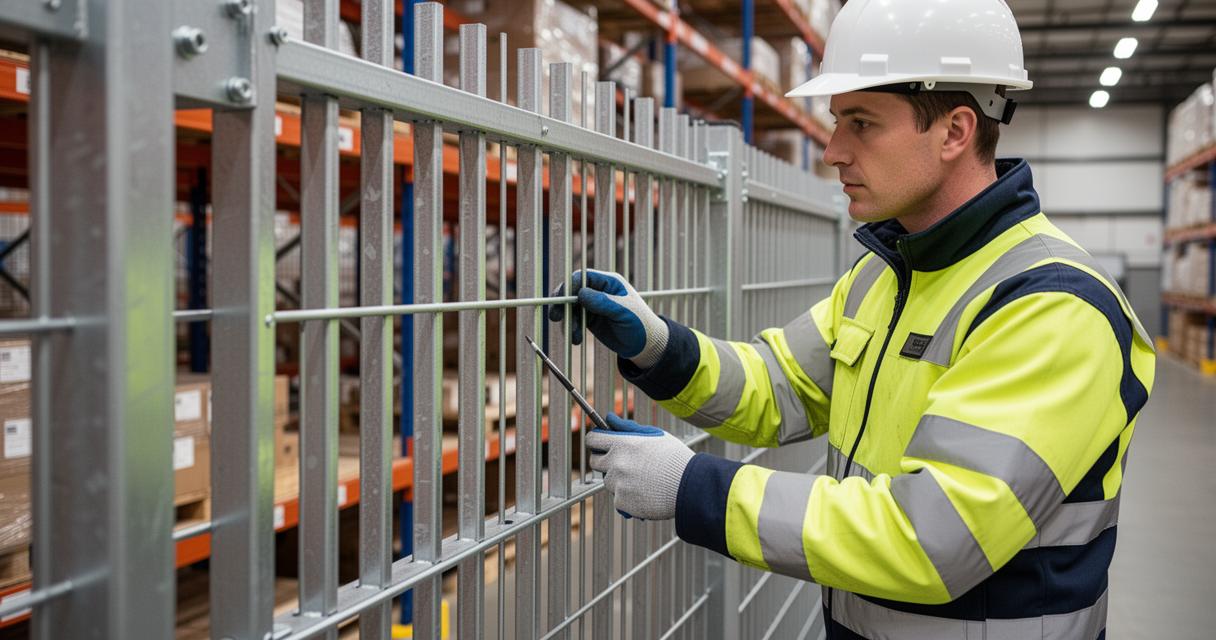
In spaces where pedestrians and vehicles share the same ground, the margin for error is worryingly slim. Research into workplace and traffic environments consistently highlights that pedestrian barriers become essential wherever walkways sit within less than a metre of active traffic routes. High-traffic areas, loading bays, and industrial crossings all carry elevated risks, particularly when sightlines are obstructed by equipment or poor lighting.
The recommended approach goes well beyond simply painting lines on the floor. Coloured walkways, raised kerbs, warning signage, and the installation of high-visibility impact barriers combine to form a layered system of protection. Employers can assess risks and prioritise technical measures (such as physical barriers) alongside informational ones. Doors that open towards traffic lanes, for instance, present a specific hazard that a well-positioned barrier can help address.
The Psychological Effect of Visible Safety Measures on Human Behaviour
There is something quietly powerful about a visible safety barrier. It does not merely prevent a collision, it communicates expectation. When workers or members of the public encounter clearly marked, brightly coloured barriers, their behaviour shifts. Awareness increases, pace slows, and attention is directed towards potential hazards before any incident can occur. This is the psychological dividend of well-designed safety infrastructure: it makes risk visible, and in doing so, it makes people more cautious.
This effect is particularly relevant in the context of road traffic accidents, which remain a sobering global concern. Approximately 1.3 million people lose their lives on roads worldwide each year, with the burden falling disproportionately on lower-income nations. The presence of physical barriers (whether pedestrian guardrails, traffic separators, or road-edge protections) serves as both a practical safeguard and a constant, silent reminder that safety demands active attention.
Building a Culture of Prevention Through Safety Infrastructure

How safety barriers support education and risk awareness campaigns
Physical infrastructure alone cannot build a safety culture, it must be accompanied by education and consistent public messaging. Research exploring child safety during car journeys reveals how complex this challenge truly is. Parents face a range of barriers that go beyond simply fitting a car seat correctly: behavioural pressures, cognitive biases, economic constraints, and a broader cultural attitude towards traffic laws and compliance all play a part. Qualitative insights gathered from parents in one study identified five distinct categories of challenge, spanning personal behaviour, children’s own attitudes, managerial shortcomings, cultural norms, and infrastructure limitations.
What this research makes clear is that hazard prevention is never a single-variable problem. Education must target parents directly, equipping them with both the knowledge and the motivation to use safety equipment consistently. When awareness campaigns are paired with visible, well-maintained physical barriers in public spaces, the cumulative effect on community behaviour is far greater than either measure could achieve alone.
The Growing Demand for Smarter and More Adaptable Barrier Solutions
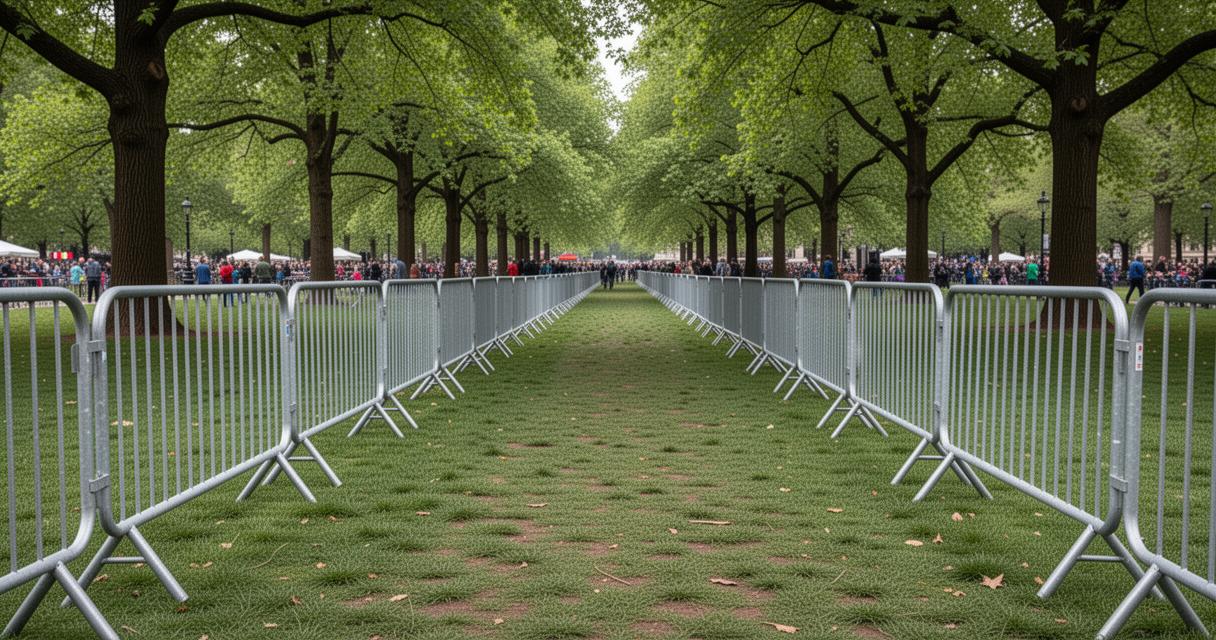
As urban environments grow more complex and transport infrastructure evolves, the demand for flexible, adaptable barrier systems is rising steadily. Businesses and public authorities alike are investing in solutions that can be reconfigured as spaces change, collision avoidance systems that respond to new traffic flows, modular pedestrian barriers that can be repositioned quickly, and impact protections for industrial racking and vehicle interaction.
The direction of travel is clear: vehicle safety, workplace safety, and pedestrian protection are no longer treated as separate disciplines. They are converging into a unified approach to road fatality prevention and public risk management. For communities, planners, and employers, investing in thoughtful barrier solutions is not simply a matter of compliance, it is an expression of the kind of society people want to live and work in, one where safety is built into the fabric of everyday life rather than left as an afterthought.